

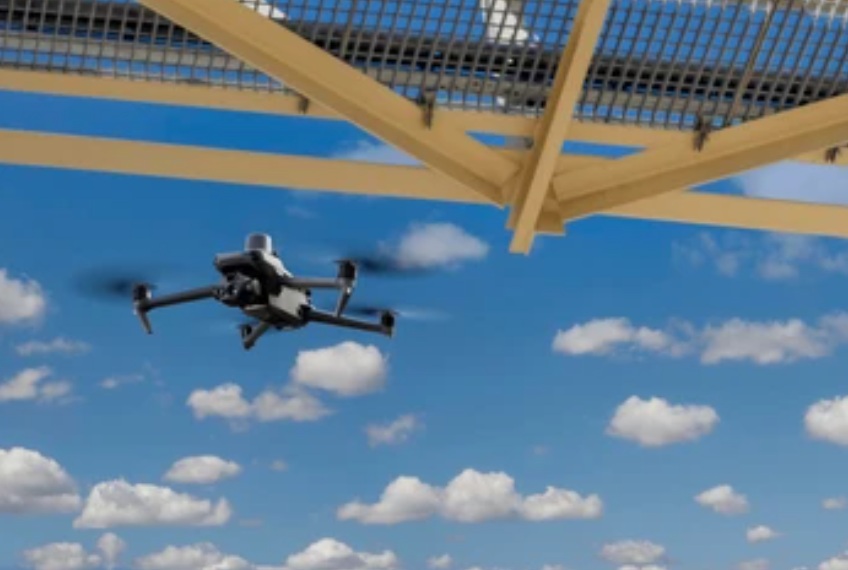
Pipeline infrastructure is a critical component of energy and utility sectors, demanding rigorous and regular inspections to ensure safety, environmental protection, and operational efficiency. Traditional inspection methods often involve manual labor, helicopters, or ground vehicles, which can be time-consuming, costly, and sometimes dangerous. In recent years, the adoption of drone technology has revolutionized the way pipelines are monitored. Integrating drone solutions for pipeline inspection allows companies to conduct faster, more accurate, and safer evaluations, minimizing downtime and reducing operational risks.
The Advantages of Using Drones in Pipeline Inspection
Drones equipped with advanced sensors and cameras provide a unique vantage point that traditional methods cannot match. The key benefits include:
- Enhanced Safety: Drones reduce the need for inspectors to access hazardous or remote locations, lowering the risk of accidents.
- Cost Efficiency: Operational costs are significantly reduced by minimizing the use of helicopters and ground crews.
- Rapid Deployment: Drones can be quickly deployed to cover extensive pipeline networks, accelerating inspection cycles.
- High-Resolution Data: Equipped with thermal, infrared, and high-definition cameras, drones capture detailed imagery and detect leaks or corrosion early.
- Environmental Protection: By enabling early fault detection, drones help prevent leaks that could lead to environmental disasters.
Choosing the Right Drone Technology
With the growing demand for commercial drones, the market offers a variety of options tailored to pipeline inspection needs. It is important to understand the differences between UAV vs drone terminology; while often used interchangeably, UAV typically refers to the broader category of unmanned aerial vehicles, encompassing both autonomous and remotely piloted systems, whereas drones generally imply smaller, more agile devices commonly used in commercial contexts.
Modern surveillance drones designed for industrial inspection come equipped with specialized payloads such as LiDAR, multispectral cameras, and gas detection sensors. Selecting the right combination depends on the specific environment and inspection goals.
Innovations from a European Drone Manufacturer
Recent advancements have been spearheaded by a leading European drone manufacturer, which has developed cutting-edge platforms explicitly designed for utility and pipeline inspection. These drones combine robust flight capabilities with intelligent data processing software, enabling operators to conduct detailed surveys with minimal human intervention. Their solutions integrate seamlessly with existing asset management systems, providing real-time analytics and predictive maintenance insights. This helps companies not only identify current issues but also anticipate future risks.
Applications Beyond Pipeline Inspection
While pipeline inspection remains a prime use case, drone technology is increasingly utilized in broader domains such as drone utility inspection and drone security. For example:
- Drone Utility Inspection: Monitoring power lines, substations, and other infrastructure elements to detect faults and improve maintenance efficiency.
- Drone Security: Enhancing perimeter surveillance and rapid response capabilities in sensitive or remote facilities.
- Environmental Monitoring: Assessing vegetation encroachment near pipeline routes to prevent potential hazards.
Implementing Drone-Based Inspection Programs
To successfully integrate drones into pipeline inspection workflows, organizations should consider the following steps:
- Regulatory Compliance: Ensure adherence to local aviation laws and obtain necessary flight permits.
- Operator Training: Invest in skilled pilots and data analysts to maximize the benefits of the technology.
- Data Management: Establish protocols for data collection, storage, and analysis to support decision-making.
- Maintenance and Upgrades: Regularly service drone hardware and software to maintain operational reliability.
- Stakeholder Collaboration: Engage with regulatory bodies, environmental agencies, and local communities to promote transparency and acceptance.
Elevating Pipeline Integrity with Advanced Aerial Technology
As the complexity and scale of pipeline networks grow, leveraging drone solutions for pipeline inspection becomes not just advantageous but essential. The fusion of real-time data acquisition, sophisticated sensor technology, and intelligent analytics is transforming maintenance strategies, reducing risks, and enhancing operational resilience. By partnering with innovative providers such as a European drone manufacturer, companies can stay ahead of challenges and ensure the long-term integrity of their pipeline assets in an efficient and sustainable manner.